
Introduction
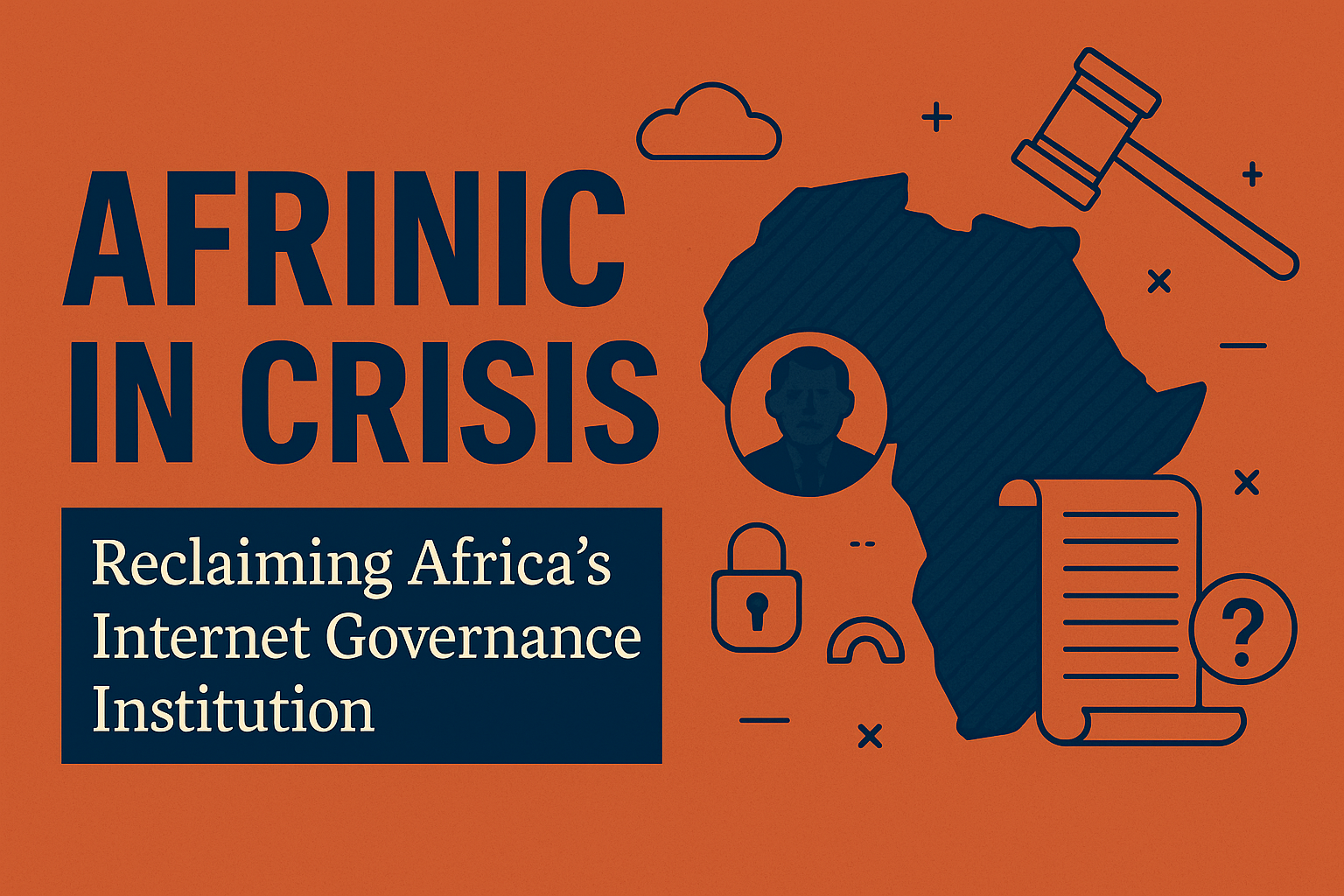
The African Network Information Centre (AFRINIC), the Regional Internet Registry (RIR) for Africa, is tasked with the crucial responsibility of allocating IP address resources across the continent. Founded in 2005 and headquartered in Mauritius, AFRINIC was meant to serve as a pillar of digital sovereignty and infrastructure development for Africa. However, in recent years, it has been plagued by internal strife, legal battles, governance breakdown, and accusations of mismanagement. This article provides a critical analysis of the current state of AFRINIC, its rights and obligations, the challenges it faces, and possible solutions to rescue and revitalize the institution.
AFRINIC’s Role, Rights, and Obligations
AFRINIC is one of five Regional Internet Registries (RIRs) globally, with the mandate to:
- Allocate and manage Internet number resources (IPv4, IPv6, and ASNs) in Africa.
- Maintain a public Whois database of IP allocations.
- Ensure fair, transparent, and needs-based resource allocation.
- Support capacity-building, policy development, and technical training for its members.
- Operate in line with global Internet governance frameworks and coordinate with IANA and ICANN.
Its rights and powers include the ability to:
- Enforce its policies via contractual agreements with members.
- Recover or revoke IP address resources in case of fraud or non-compliance.
- Manage membership dues, budgeting, and internal elections autonomously.
Current Situation and Challenges
AFRINIC is currently embroiled in a multifaceted crisis, with the following key issues:
1. Governance and Leadership Breakdown
A prolonged leadership vacuum followed the suspension and legal dispute involving the former CEO. Board instability, controversial elections, and allegations of power abuse have crippled decision-making. The inability to maintain a quorum on the board for extended periods exacerbated the dysfunction.
2. Legal Battles and Litigation Chaos
AFRINIC has been entangled in multiple lawsuits—particularly with Cloud Innovation Ltd, a Hong Kong-based member accused of hoarding millions of IP addresses. Courts in Mauritius have frozen AFRINIC’s bank accounts, halted its operations temporarily, and undermined its authority. These legal challenges drain resources and erode stakeholder confidence.
3. IP Resource Mismanagement
Reports emerged in 2019 revealing that over 4 million IP addresses had been fraudulently allocated by rogue AFRINIC staff. The aftermath included questions about accountability, lack of internal controls, and the failure to revoke improperly assigned resources promptly.
4. Lack of Policy Enforcement
The community-driven policy model is under strain. Policy development processes have become politicized and ineffective. There is growing concern that AFRINIC lacks the teeth to enforce its own policies against powerful or foreign actors.
5. External Influence and Sovereignty Threats
There is increasing foreign involvement in Africa’s digital space, raising questions about whether AFRINIC can remain an independent steward of African Internet resources. The struggle with Cloud Innovation and similar entities reveals gaps in legal preparedness and continental support.
Critical Analysis
AFRINIC’s core dysfunction arises from a combination of weak internal governance, legal naivety, and insufficient pan-African solidarity. Unlike its RIR peers (e.g., ARIN, RIPE NCC), AFRINIC lacks institutional maturity and regional political backing. There has been insufficient mobilization by African states, the African Union, or multilateral digital policy bodies to shield AFRINIC from lawfare and external manipulation.
Furthermore, the fact that AFRINIC’s operational funds could be frozen by a single legal challenge reveals a lack of contingency planning and an overdependence on a single jurisdiction (Mauritius). Meanwhile, African stakeholders—governments, ISPs, universities, and NGOs—have often remained passive, failing to assert ownership over this vital digital asset.
Possible Solutions
1. Legal and Structural Reform
- Redraft bylaws to ensure clarity on the powers and protections of the board and executive team.
- Introduce legal immunity clauses for essential operations and regional legal support networks.
- Diversify AFRINIC’s legal incorporation or create a pan-African treaty to protect it from litigation abuse.
2. Rebuilding Governance Capacity
- Reconstitute a functional, accountable board with support from neutral African institutions (e.g., AU, AfriNIC’s Governance Committee).
- Implement external audits of finances and IP allocations.
- Enforce strict term limits and vetting processes for board members and executives.
3. Community Engagement and Stakeholder Mobilization
- Launch a continent-wide consultation and outreach campaign to rebuild trust with members.
- Promote national-level Internet Governance Forums (IGFs) to converge local actors in AFRINIC Rejuvenation and policy redevelopment.
4. Policy Overhaul and Enforcement
- Strengthen the Policy Development Process (PDP) by introducing timelines and independent appeals mechanisms.
- Establish a Policy Enforcement Unit within AFRINIC to monitor, investigate, and resolve compliance breaches.
5. Technical and Financial Resilience
- Build reserve funds in offshore accounts to protect operational continuity.
- Adopt multi-country hosting of mission-critical infrastructure (e.g., Whois, RPKI, root servers).
- Promote IPv6 transition aggressively to reduce scarcity-driven IP address abuse.
Recommendations
- The African Union and regional bodies must intervene diplomatically and legally to safeguard AFRINIC’s autonomy.
- AFRINIC should convene an emergency general meeting to reset its governance structures.
- Stakeholders must create a legal defense and funding mechanism for AFRINIC to resist external legal bullying.
- Continental digital sovereignty must be prioritized; IP address allocation is a critical infrastructure issue, not merely a technical one.
- Transparency, accountability, and consistent community involvement must be the pillars of a reformed AFRINIC.
Conclusion
AFRINIC’s current situation is not merely a crisis of leadership—it is a crisis of legitimacy, sovereignty, and governance. Unless Africa acts collectively and decisively, it risks losing control of a vital pillar of its digital future. With reform, solidarity, and political will, AFRINIC can still be rescued and reimagined as a credible, resilient institution for African Internet development.
About Author


More Stories
ICANN87 Kicks Off in Bali: At-Large Community Calls for Global End-User Voices Ahead of ATLAS IV.
Bridging the Digital Divide: Nigeria’s First Community-Centred Connectivity Bootcamp Kicks Off in Abuja.
UN General Debate Focuses on Global Digital Governance and AI Risks.