
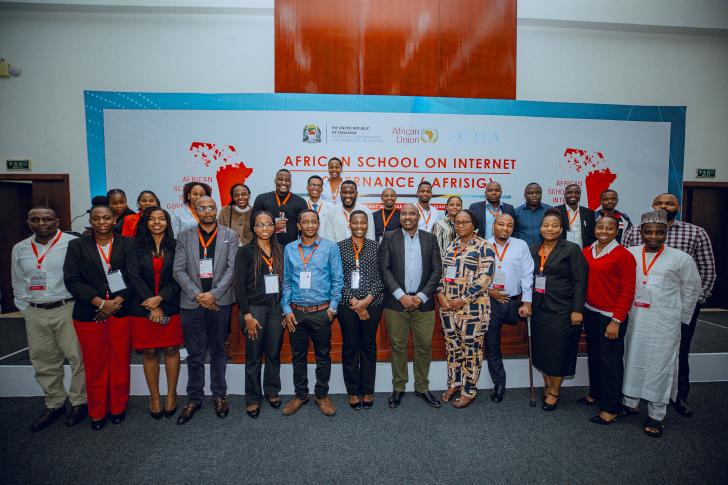
The 13th African School on Internet Governance (AfriSIG 2025) concluded recently in Dar es Salaam, Tanzania, affirming a powerful message: the future of internet governance must be co-created, contested, and claimed from the ground up. This influential event, held from May 23 to 28, brought together a diverse group of African professionals to shape a shared agenda for a rights-centered digital future across the continent.
Jointly organized by the Association for Progressive Communications (APC), the Information Society Division of the African Union Commission (AUC), and Research ICT Africa (RIA), in collaboration with the United Nations Economic Commission for Africa (UNECA) and the UN Internet Governance Forum Parliamentary Track, AfriSIG 2025 underscored the critical importance of a multistakeholder approach to digital policy.
Since its inception in 2013, AfriSIG has grown into a pivotal platform for fostering inclusive and rights-based internet governance. It provides a unique “multistakeholder immersion experience” for both emerging and established leaders in digital policy, equipping them with the knowledge and tools to navigate the complex landscape of internet governance.
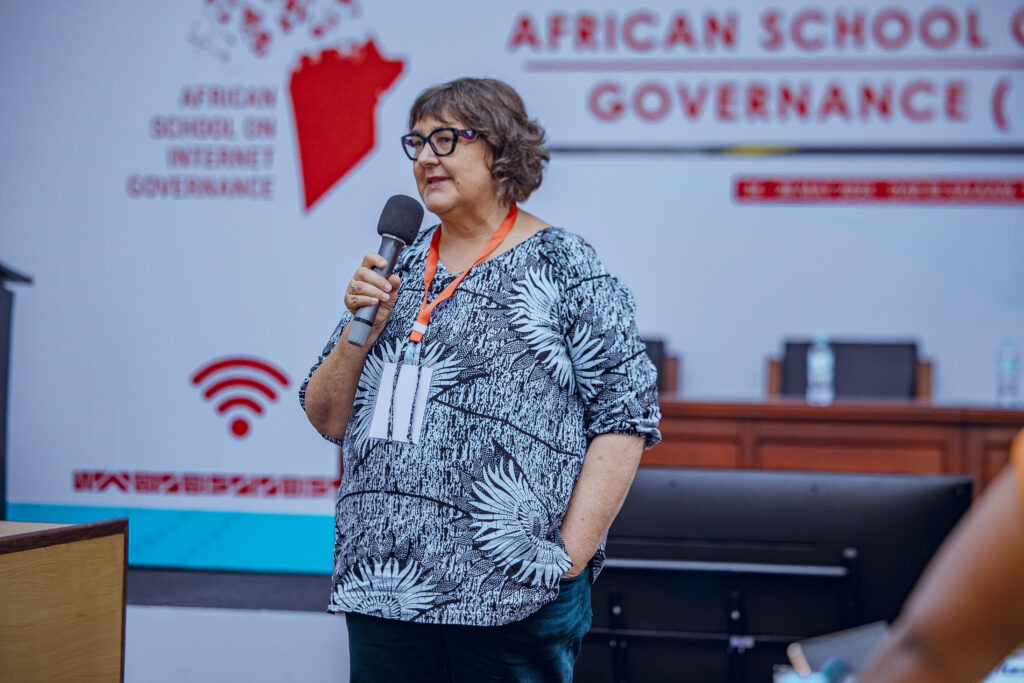
The 2025 edition was strategically timed ahead of the 2025 Africa Internet Governance Forum (AfIGF) and against the backdrop of the upcoming WSIS+20 Review, ensuring its discussions would directly feed into crucial regional and global policy processes. The five-day immersive curriculum combined technical briefs, in-depth policy analysis, and interactive workshops on vital themes such as digital inclusion, open internet infrastructure, regional governance frameworks, and emerging issues like artificial intelligence (AI) and climate change.
A central feature of AfriSIG’s learning model is its practicum. This year, the practicum focused on “Multistakeholder consultation on African priorities concerning data governance for input into national, regional and global digital governance processes.” This hands-on experience allowed participants to engage in the negotiation and drafting of policy frameworks within a multistakeholder environment, specifically contributing input for the Commission on Science and Technology for Development (CSTD) Working Group on Data Governance.
The diversity of participants was a notable highlight, with a strong presence of parliamentary representatives stemming from a key partnership with the Tanzanian Ministry of ICTs. This rich mix of backgrounds stimulated critical debates and dialogues, enabling attendees to explore internet governance issues from fresh perspectives and gain a deeper understanding of the dynamics and limitations inherent in different sectors.
AfriSIG is increasingly recognized not merely as a training program but as a growing movement of African digital policy actors. It actively fosters cross-sectoral collaboration and empowers participants with both technical understanding and political analysis. The ultimate goal is to enable them to create an inclusive digital public sphere across Africa, ensuring that human rights remain at the core of internet governance discussions and implementations. Participants consistently emphasized that AfriSIG provided them with invaluable knowledge, a supportive community, and a renewed commitment to embedding human rights firmly within the heart of internet governance.
For more information on AfriSIG and its ongoing work, visit the Association for Progressive Communications (APC) website.
About Author



More Stories
Bridging the Digital Divide: Nigeria’s First Community-Centred Connectivity Bootcamp Kicks Off in Abuja.
Safeguarding the Digital Future: Turning Challenges into Momentum for Africa’s Encryption Infrastructure.
NVIDIA Unveils DLSS 5 and Cosmos Physical AI Platform at SIGGRAPH Keynote.