
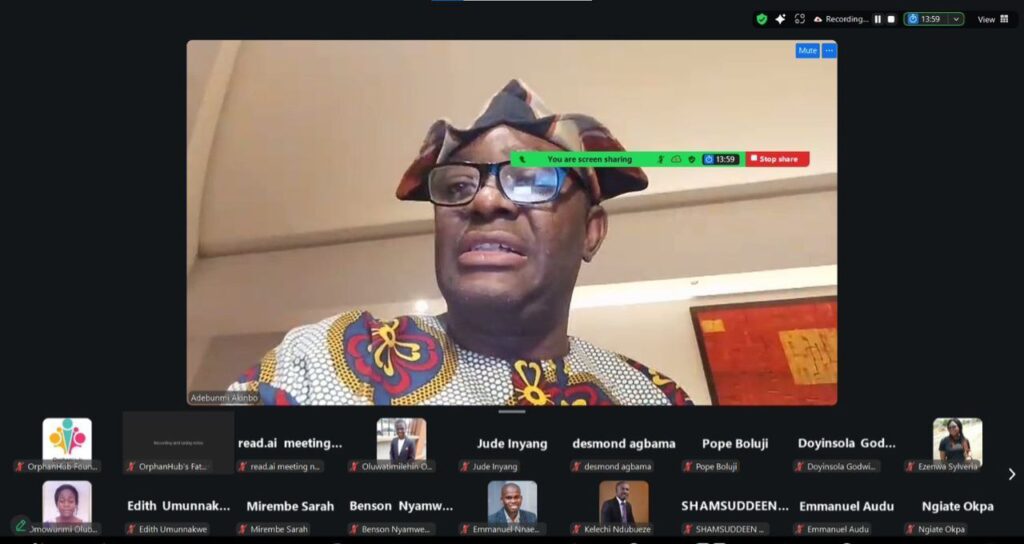
I recently stood before policymakers and innovators to deliver a keynote address on a hard truth: Nigeria’s digital economy is booming, but for 25 million Nigerians living with disabilities, the door is still half-locked.
In 2026, we have the software, we have the talent, and we have the policies. What we lack is the catalytic capital to bridge the “Triple Gap” of access, literacy, and infrastructure.
The Staggering Reality of 2026:
- The Funding Gap: While African tech raised billions last year, less than 1% of that capital was directed toward Assistive Technology (AT).
- The Cost of Exclusion: Excluding persons with disabilities from the digital workforce costs the continent billions in potential GDP.
- The Innovation Paradox: We are importing expensive AT hardware when we should be funding “frugal engineering” right here in Lagos, Nairobi, and Accra.
Why Organizations Must Invest Now:
Digital inclusion is not a “Corporate Social Responsibility” (CSR) project; it is a Sustainable Development necessity. When we fund a solar-powered screen reader or an AI that understands tonal African languages, we aren’t just helping a niche group—we are perfecting technology for the next billion users.
A Call to Action for Global Partners & Investors:
We are craving inclusion, but innovation requires fuel. I am calling on international donor agencies, venture capitalists, and private organizations to:
- Direct Impact Funds specifically toward AT startups (e.g., those like the Innovate Now accelerator).
- Subsidize Infrastructure that ensures assistive devices work in low-connectivity/low-power environments.
- Partner with Local Hubs to integrate accessibility standards into every line of code written on the continent.
Let’s move from “awareness” to “action.” Let’s fund a Nigeria—and an Africa—where the digital bridge is wide enough for everyone to cross.
#DigitalInclusion #SustainableDevelopment #AssistiveTech #NigeriaTech2026 #InclusiveInnovation #SDGs
About Author



More Stories
AFRINIC Denounces “Misinformation Campaign” Following Ratification of Major IP Resource Policy.
The “80/20” Vision: Is Africa Keeping Its Data at Home?
The Wallet-Friendly Ripple Effect: How IXPs Lower Your Data Bill.